

Before offering emergency towing services, tow operators must understand and meet regional criteria, including financial stability, equipment, driving records, local regulations on service areas, response times, and licensing. Gathering necessary documents like permits and insurance certificates is essential. The registration process involves accurately filling out the DMV application, paying fees, and passing comprehensive inspections. Adequate insurance coverage, including liability for high-risk operations, must be secured. Renewing business licenses annually or as per local regulations is mandatory for legal operation and enhanced customer trust in affordable towing services.
Looking to register as a tow operator? This comprehensive guide will walk you through the process, from understanding eligibility requirements to obtaining insurance coverage for emergency towing services. We’ll detail gathering essential documents and licenses, completing the DMV application, passing inspections, and registering your business. By following these steps, you’ll be well on your way to providing reliable emergency towing services while adhering to all necessary regulations.
- Understand Eligibility Requirements for Tow Operator Registration
- Gather Necessary Documents and Licenses
- Complete the DMV Application Process
- Pass Towing and Safety Inspections
- Obtain Insurance Coverage for Emergency Towing Services
- Register and Renew Your Towing Business License with the DMV
Understand Eligibility Requirements for Tow Operator Registration
Before applying for registration as a tow operator with the DMV, it’s crucial to understand the eligibility requirements set forth by your region. To engage in emergency towing and provide vehicle breakdown assistance, you must meet specific criteria. These often include proving financial stability, having the necessary equipment, and demonstrating proficiency in safely handling disabled vehicles. Additionally, maintaining a clean driving record free from significant infractions is usually mandatory.
Among other considerations, prospective tow operators should be aware of local regulations regarding service areas, response times for 24/7 emergency towing, and any licensing or certification needs specific to their region. Ensuring compliance with these requirements not only allows you to operate legally but also instills public trust in your cheap tow truck number, making it a vital step in building a successful towing business.
Gather Necessary Documents and Licenses
Before diving into the registration process with your local DMV, ensure you have all the required documents and licenses to become an official emergency towing service provider. This includes gathering crucial paperwork like business permits, insurance certificates, and a valid driver’s license. Additionally, obtain any specialized licenses needed for operating heavy-duty vehicles and providing recovery services, especially if offering heavy duty recovery capabilities.
Remember that the specific documents required may vary based on your location. It’s essential to connect with your local towing industry associations or consult the DMV directly to understand the local towing professionals‘ specific needs. Having these documents in order will not only streamline the registration process but also ensure you’re providing safe and reliable emergency towing services at competitive best towing rates.
Complete the DMV Application Process
To register as a tow operator with the DMV, you’ll need to complete a thorough application process designed to ensure safety and compliance. Start by gathering all necessary documentation, including proof of insurance, vehicle registration, and any relevant licenses or permits. Fill out the official DMV application form accurately and completely, providing details about your towing company, fleet vehicles, and emergency towing services.
Next, submit your application along with the required fees. The DMV will review your documents to verify that you meet all legal requirements, including those specific to emergency towing and fuel delivery service. Once approved, you’ll be officially recognized as a registered tow operator, ensuring quick towing response time and confirming your status as local towing professionals.
Pass Towing and Safety Inspections
To register as a tow operator with the DMV, one of the key requirements is to pass comprehensive towing and safety inspections. These inspections ensure that your vehicles are equipped and ready for emergency towing situations, enhancing road safety. During the inspection process, authorities will assess the condition of your towing equipment, including lights, hitches, and winches, to guarantee they meet the required standards. Additionally, they’ll verify that you have the necessary tools for safe vehicle recovery, such as jack stands and tire irons, crucial for handling roadside emergencies effectively.
Spare tire change and light duty towing capabilities are also evaluated, ensuring your fleet is prepared for various scenarios. An affordable towing service, after all, isn’t just about reasonable rates; it’s about being equipped to handle any situation, from flat tires to minor accidents. Meeting these safety criteria not only complies with DMV regulations but also instills confidence in potential customers, knowing they’re in capable hands should an emergency towing situation arise.
Obtain Insurance Coverage for Emergency Towing Services
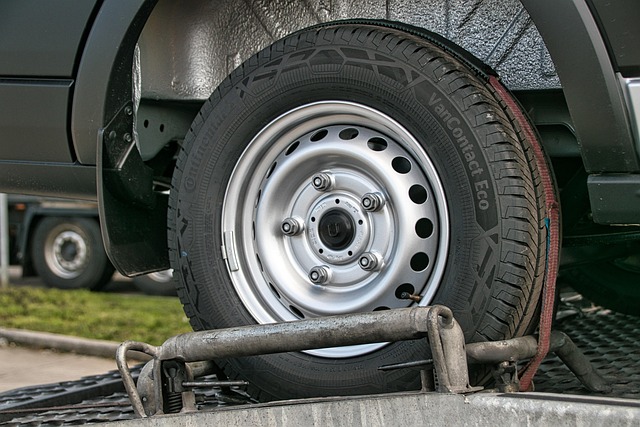
Before registering as a tow operator, ensuring adequate insurance coverage for emergency towing services is non-negotiable. This includes comprehensive liability insurance that protects against potential damages or injuries arising from the tow process. Given the high-risk nature of emergency towing, such as winching services and car lockout situations, having robust insurance safeguards both your business and your clients.
It’s crucial to consult with a reliable insurance provider specializing in automotive services to tailor a policy that covers unexpected events like vehicle rollovers during tow or property damage. Remember, the goal is to offer peace of mind to your customers, knowing they are protected by local towing professionals who take their responsibility seriously.
Register and Renew Your Towing Business License with the DMV
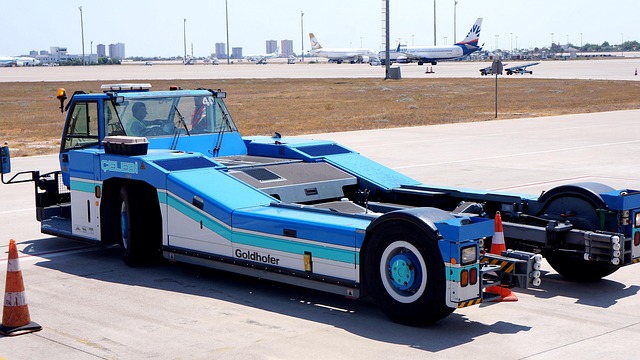
To operate an emergency towing service, registering and renewing your business license with the DMV is a crucial step. This process involves submitting the necessary paperwork, including application forms and any required fees. Once approved, you’ll be issued a unique identification number that allows you to legally provide emergency towing services in your area. It’s essential to stay up-to-date with renewal deadlines, typically occurring annually or at set intervals determined by your local DMV regulations.
Remember, keeping your license current ensures compliance with local laws and demonstrates your commitment to offering reliable and professional emergency towing in [city], including services like dead battery jump starts and local towing professionals. Efficient renewal processes help maintain a smooth operation, allowing you to better serve clients throughout the year.
Registering as a tow operator is a crucial step in offering reliable emergency towing services. By understanding the eligibility requirements, gathering essential documents, and navigating the DMV application process, you’ll be well on your way to establishing a licensed and insured business. Remember to pass towing and safety inspections and maintain adequate insurance coverage to ensure customer safety and peace of mind. Once registered, stay up-to-date with renewal processes to keep your business running smoothly in the world of emergency towing.